Integrating Squad Team World Cup Serbia Vector Assets into Professional Design Workflows
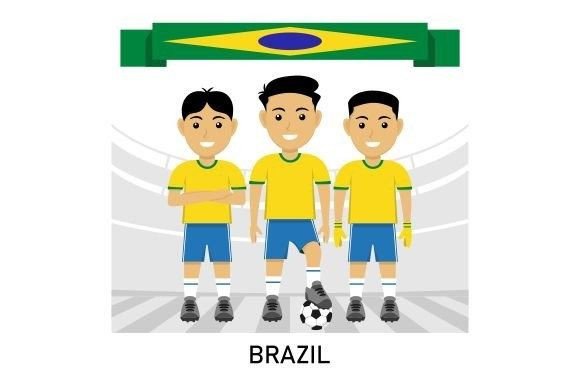
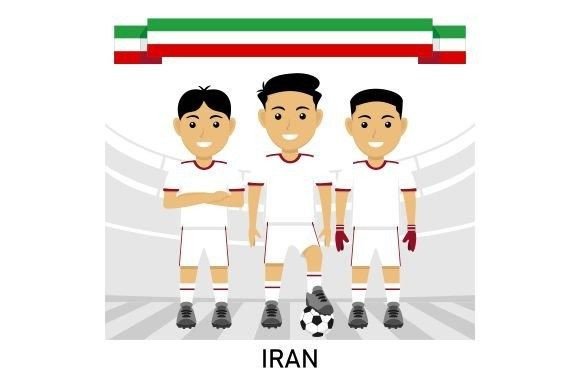
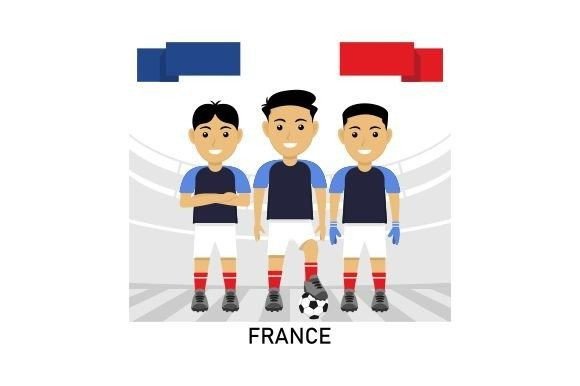
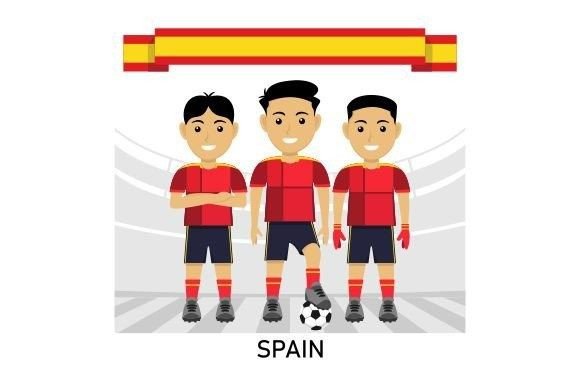
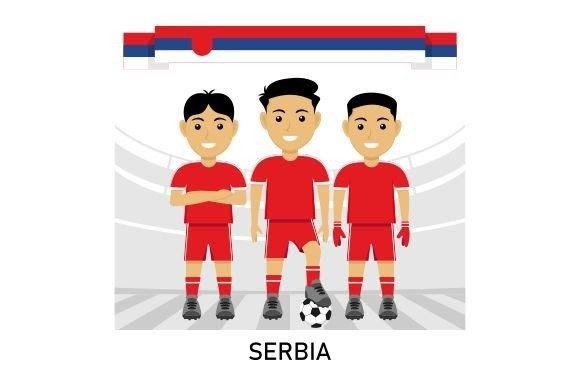
For graphic designers, marketers, and content creators covering international sports, access to high-quality, editable assets is the difference between a rushed deadline and a polished final product. The Squad Team World Cup Serbia collection serves as a foundational resource for projects requiring authentic national representation. This asset pack, comprising 100 vector files, is not merely a set of static images but a flexible toolkit designed for professional production environments. Understanding how to leverage these specific file formats—AI, EPS, and PSD—within a broader creative workflow ensures that visual outputs remain consistent, scalable, and legally compliant across various media channels.
The core value of this collection lies in its technical specifications. With files rendered at CMYK 300 PPI, the assets bridge the gap between digital display and physical print. Many designers encounter friction when transitioning from web-based mockups to large-format printing due to color space mismatches or insufficient resolution. By providing native CMYK data at high resolution, the Squad Team World Cup Serbia pack eliminates the need for time-consuming color conversion and upscaling processes. This allows teams to move directly from concept to prepress without introducing artifacts or color shifts that often plague RGB-to-CMYK conversions.
Technical Compatibility and File Format Strategy
Selecting the correct file format from the included AI, EPS, and PSD options is the first step in an efficient implementation process. Each format serves a distinct purpose within the design ecosystem, and understanding these distinctions prevents workflow bottlenecks.
- Adobe Illustrator (AI): Use these master files for heavy customization. If your project requires altering player silhouettes, adjusting kit patterns, or modifying typography on the jerseys, the AI source files provide full path accessibility. This is essential for branding projects where the Serbia team aesthetic must align with specific corporate identity guidelines.
- Encapsulated PostScript (EPS): These are your interoperability assets. When collaborating with external vendors, print shops, or clients using legacy software, EPS files ensure compatibility. They retain vector scalability without requiring the recipient to have the latest version of Adobe Creative Cloud. Utilize EPS files for merchandise production, signage, and third-party licensing deliverables.
- Photoshop (PSD): While vectors handle structure, PSDs facilitate integration into raster-based composites. These files typically include organized layers, masks, and smart objects. For social media managers and digital advertisers, the PSD files allow for rapid iteration. You can swap backgrounds, adjust lighting effects, and overlay text without reconstructing the base vector geometry.
Maintaining a logical file hierarchy is crucial when managing 100 distinct assets. Before beginning a campaign, organize the Squad Team World Cup Serbia files into subdirectories based on usage context rather than just file type. Creating folders such as "Print-Ready," "Digital-Social," and "Merchandise-Production" reduces search time during active sprints. Renaming conventions should also be standardized immediately upon acquisition to match internal asset management protocols, ensuring that any team member can locate specific player vectors or team crests without ambiguity.
Pre-Production Planning and Asset Auditing
Effective use of this collection begins before the design phase. During the planning stage of a World Cup campaign or editorial feature, conduct a thorough audit of the available vectors against project requirements. Verify that all necessary squad members are represented and that the kit designs match the current tournament regulations. Sports branding is highly regulated; using outdated kits or incorrect sponsor placements can undermine credibility. The vector nature of these files allows for quick updates if roster changes occur mid-tournament, but only if the base geometry is verified early.
This preparation phase also involves setting up global swatches and character styles in your design software. Extract the official Serbia national team colors from the provided AI files and save them as global variables. When working across multiple documents or artboards, linking these color variables ensures absolute consistency. If the governing body issues a slight color correction or if a print vendor requests a specific Pantone adjustment, updating the global swatch propagates the change across all associated assets instantly. This systematic approach to color management is far superior to manual sampling and significantly reduces quality control errors.
Execution in Multi-Channel Campaigns
During the active creation phase, the versatility of the Squad Team World Cup Serbia assets supports simultaneous multi-channel output. A common challenge in sports marketing is adapting a single hero concept for diverse aspect ratios and resolutions. Because these files are fully resizable vectors, a single master composition can drive an entire campaign ecosystem.
Consider a scenario where a marketing team needs to produce a stadium banner, an Instagram story, and a website header featuring the Serbian squad. Starting with the master AI file, the designer can create multiple artboards within a single document. The vector paths scale infinitely for the stadium banner without pixelation. For the Instagram story, elements can be cropped and rearranged while maintaining crisp edges. The website header can be exported as SVG or optimized PNG directly from the same source. This unified workflow reduces version control issues and ensures that the visual language remains identical across all touchpoints.
For editors and publishers, the PSD components streamline the layout process. When integrating team graphics into magazine spreads or blog posts, the layered structure allows for non-destructive editing. Text wrapping, image masking, and blend modes can be applied directly to the asset without flattening. This flexibility is vital during editorial reviews when last-minute copy changes or layout adjustments are requested. Having access to separated layers means the designer can adapt the graphic to fit new text blocks without rebuilding the illustration from scratch.
Post-Production Quality Control and Output
The post-production phase validates that the assets perform as intended in their final environment. Despite the 300 PPI CMYK specification, always request physical proofs for printed materials. Screen calibration varies, and national team colors often fall outside standard gamuts. The vector files allow for precise ink limit adjustments and overprint settings that are critical for professional offset printing. Verify that fine details in crest embroidery or fabric textures hold up at the intended print size. While vectors are mathematically perfect, practical rendering depends on substrate and ink density.
For digital outputs, optimization is key. Raw vector files are rarely suitable for direct web deployment. Establish a standardized export pipeline that converts the Squad Team World Cup Serbia assets into web-friendly formats. This might involve simplifying paths to reduce file size for SVGs or generating retina-ready PNGs at exact dimensions. Automating this export process through actions or scripts ensures that every digital asset meets performance benchmarks without sacrificing visual fidelity. Consistency in export settings also maintains uniform sharpness and color rendering across different devices and browsers.
Long-Term Asset Management and Reusability
Beyond immediate project delivery, consider the lifecycle of these assets. International football tournaments operate on cycles, but national team branding retains relevance between competitions. Properly archiving the Squad Team World Cup Serbia collection creates a reusable library for future content. Document any modifications made to the original files, such as custom color profiles or added texture overlays. Maintaining a changelog helps future designers understand why certain alterations were made and prevents redundant work.
Licensing and usage rights should also be tracked alongside the technical files. Ensure that the terms of use for this vector pack align with your commercial intentions. Keep license documentation in the same directory as the assets. When onboarding new freelancers or agencies, providing both the technical files and the usage guidelines protects the organization from compliance risks. This administrative diligence is as important as the creative execution in maintaining a professional workflow.
Enhancing Collaboration Through Standardized Assets
In team environments, standardized assets like this collection serve as a common visual language. When multiple designers contribute to a single campaign, variance in style is a primary risk. Providing everyone with the same base vector files establishes guardrails that preserve brand integrity. Designers can focus on creative composition and storytelling rather than redrawing basic team iconography. This efficiency gain compounds over time, allowing teams to produce higher volumes of quality content within tight deadlines.
Educators and trainers can also utilize these resources for instructional purposes. Teaching students about vector graphics, color theory, and sports branding becomes more practical with real-world assets. The inclusion of AI, EPS, and PSD formats provides tangible examples of industry-standard file structures. Students can dissect the layer organization, study path construction, and practice color separation techniques using professional-grade materials. This bridges the gap between theoretical learning and vocational application, preparing learners for actual production environments.
Ultimately, the Squad Team World Cup Serbia vector collection is a productivity tool disguised as creative content. Its true ROI is realized not just in the aesthetic quality of the final output, but in the reduction of technical friction throughout the design process. By treating these assets as integrated components of a larger workflow system—rather than isolated clip art—professionals can achieve greater consistency, speed, and reliability in their sports-related projects. Whether producing high-stakes advertising, informative journalism, or educational materials, the disciplined application of these resources elevates the standard of work while respecting the constraints of modern production schedules.