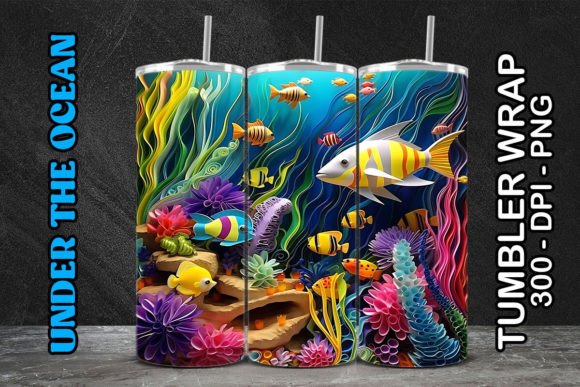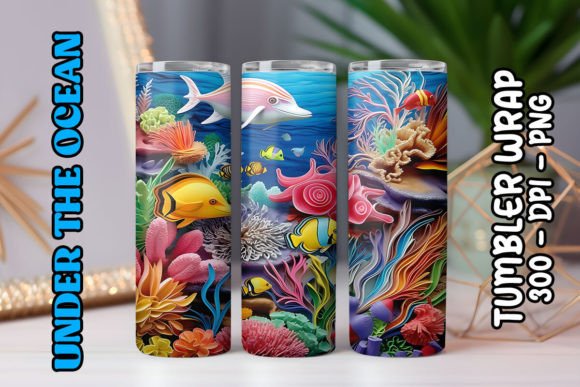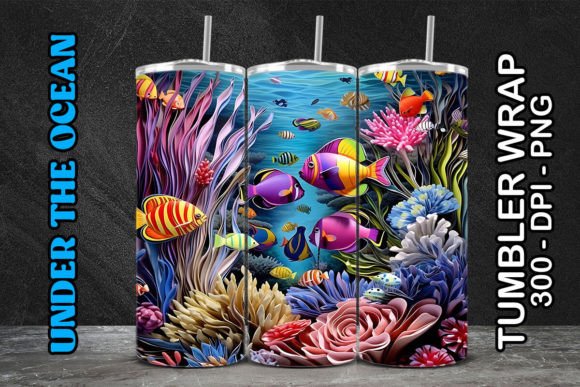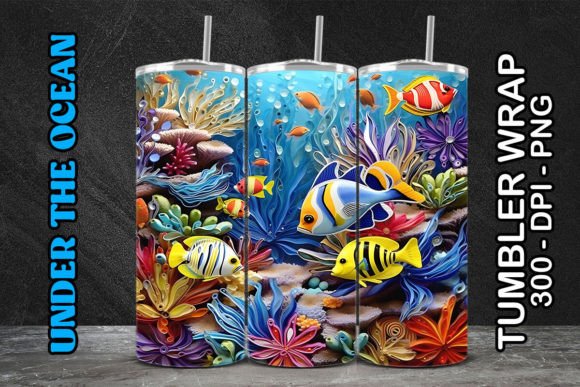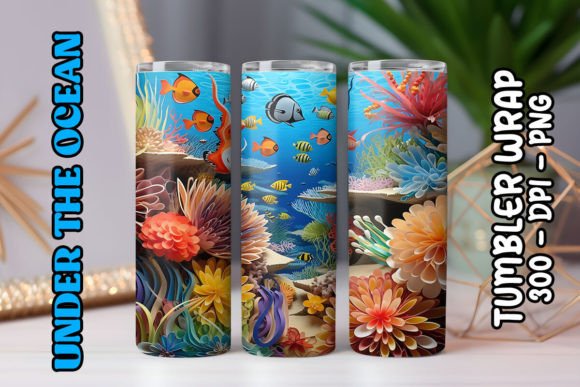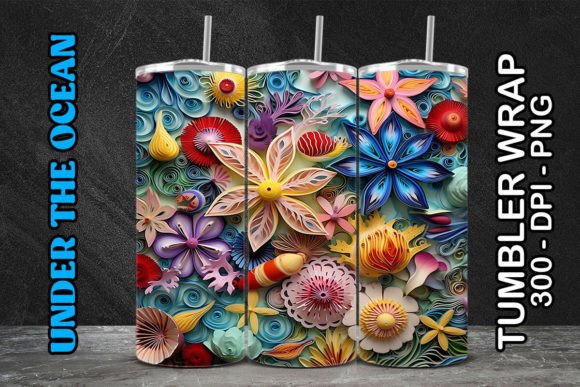
Maximizing Print Quality with Sea World Tumbler Wrap 115 Digital Assets
Achieving professional-grade results in sublimation printing requires more than just high-quality ink and heat presses; it demands digital assets engineered for precision. The Sea World Tumbler Wrap 115 represents a specific category of digital design files optimized for cylindrical application. For creators, small business owners, and hobbyists navigating the custom drinkware market, understanding the technical specifications and practical applications of this PNG file bundle is essential for minimizing waste and maximizing visual impact. This resource serves as a comprehensive guide to leveraging these specific digital assets effectively within a production workflow.
Technical Specifications and File Integrity
The foundation of any successful sublimation project lies in the resolution and dimensions of the source file. The Sea World Tumbler Wrap 115 is distributed as a ZIP archive containing multiple PNG files, each meticulously sized at 9.06 inches by 8.11 inches. This specific dimension is not arbitrary; it corresponds to the standard surface area of 20-ounce skinny tumblers, one of the most popular vessels in the personalized gift industry. By adhering to these exact measurements, designers eliminate the guesswork often associated with resizing generic patterns, thereby reducing the risk of pixelation or distortion during the transfer process.
Resolution plays an equally critical role. These files are rendered at 300 DPI (dots per inch), which is the industry benchmark for high-fidelity printing. In sublimation, where ink transitions from solid to gas to bond with polymer coatings, low-resolution images result in muddy colors and undefined edges. The 300 DPI specification ensures that intricate details within the Sea World theme—whether they involve marine textures, aquatic gradients, or detailed illustrations—remain crisp after heat application. Users must verify their printer settings match this resolution to fully utilize the asset's potential. Printing at a lower DPI setting will negate the quality inherent in the file, while attempting to upscale beyond native resolution offers no additional benefit.
Understanding the Digital Delivery Model
It is imperative for purchasers to recognize that the Sea World Tumbler Wrap 115 is strictly a digital product. No physical tumbler, printed wrap, or shipping materials are included in the transaction. Upon purchase, users receive an instant download link to the ZIP file. This delivery model supports immediate production cycles, allowing businesses to fulfill orders without waiting for inventory. However, it also places the responsibility of file management and printing expertise squarely on the user. Before purchasing, individuals should confirm they possess the necessary software to extract ZIP archives and manipulate PNG files, as well as access to a sublimation printer and compatible heat press equipment.
Strategic Applications in Custom Drinkware Production
The versatility of the Sea World Tumbler Wrap 115 extends across various market segments. For educators and school administrators, these wraps offer a cohesive aesthetic for fundraising initiatives or team merchandise. The marine theme resonates particularly well with coastal schools, aquarium programs, and environmental science clubs. Small business owners operating in tourist destinations can utilize these designs to create location-specific souvenirs that capture the essence of seaside vacations without requiring custom illustration services. The pre-sized nature of the file allows for rapid prototyping and short-run production, making it feasible to test market demand before committing to larger inventory investments.
Hobbyists and crafters benefit from the design’s adaptability. While optimized for 20-ounce tumblers, the 9.06 x 8.11 inch canvas can be creatively adapted for other cylindrical objects with similar circumferences, such as water bottles, travel mugs, or even pencil holders. The PNG format supports transparency, although these specific wraps are typically full-coverage designs. This full-bleed capability ensures edge-to-edge color saturation, eliminating unsightly white lines that can occur with misaligned transfers. For creators building a portfolio, showcasing consistent, high-quality wraps demonstrates technical proficiency and attention to detail, both of which are valued traits in the custom printing community.
Workflow Integration and Color Management
Integrating the Sea World Tumbler Wrap 115 into an existing workflow requires attention to color profiles. Sublimation ink behaves differently than standard inkjet ink, often appearing dull on paper before transforming into vibrant color under heat. Users should employ ICC profiles specific to their printer and ink combination to ensure the on-screen preview matches the final output. Because these files are provided in RGB or CMYK PNG format, converting them to the appropriate color space for your specific sublimation setup may be necessary to maintain color accuracy. Testing on scrap material before committing to a final product is always recommended, especially when working with new digital assets.
File organization also impacts efficiency. Since the download includes a bundle of several PNG files, establishing a systematic naming convention and storage structure prevents confusion during busy production periods. Creating dedicated folders for different tumbler sizes or themes streamlines the retrieval process. Additionally, maintaining backup copies of the original ZIP file safeguards against accidental corruption or loss. Digital assets are intellectual property, and proper management ensures long-term usability and compliance with licensing terms.
Optimizing Heat Press Parameters for Marine Designs
The visual complexity of sea-themed designs often includes gradients and subtle color transitions that are sensitive to heat press variables. When applying the Sea World Tumbler Wrap 115, uniform pressure and temperature distribution are non-negotiable. Inconsistent pressure can cause ghosting or blurring, particularly problematic in designs featuring fine details like bubbles or wave patterns. Using a tumbler press specifically designed for cylindrical objects is preferable to flat presses with attachments, as it provides consistent contact across the entire surface area.
Temperature and time settings should be calibrated based on the tumbler substrate and the specific sublimation paper being used. While general guidelines exist, each combination reacts uniquely. Overheating can cause colors to shift toward brown or yellow tones, distorting the intended aquatic palette. Underheating results in incomplete transfer and poor wash fastness. Documenting successful press parameters for future reference creates a valuable knowledge base that reduces trial-and-error waste. The 9.06 x 8.11 inch sizing of this wrap aligns with standard press platens, but verifying alignment before each cycle prevents seam lines or overlapping artifacts.
Material Compatibility and Surface Preparation
Not all tumblers accept sublimation equally. The Sea World Tumbler Wrap 115 is designed for polymer-coated surfaces specifically treated for dye-sublimation. Stainless steel tumblers without this coating will not retain the image, regardless of print quality. White or light-colored bases provide the truest color reproduction, as sublimation dyes are translucent and cannot print white ink. Darker base colors will alter the appearance of the design, potentially muting lighter elements of the marine theme. Surface preparation involves cleaning the tumbler with isopropyl alcohol to remove oils, dust, or residues that could interfere with ink adhesion. Even fingerprints can create permanent blemishes in the final product.
Paper selection also influences outcomes. High-release sublimation paper minimizes moisture retention and facilitates complete ink transfer. Securing the printed wrap tightly against the tumbler surface using heat-resistant tape prevents movement during pressing. Any gap between paper and substrate allows escaping gas to disperse rather than penetrate the coating, resulting in faded areas. The precise dimensions of this digital asset reduce excess paper overlap, simplifying the taping process and promoting even contact. Attention to these mechanical details transforms a good digital file into an exceptional physical product.
Navigating Licensing and Commercial Considerations
When incorporating the Sea World Tumbler Wrap 115 into commercial ventures, understanding usage rights is fundamental. Digital downloads typically come with specific licensing agreements governing personal versus commercial use, modification permissions, and redistribution restrictions. Responsible creators review these terms thoroughly before listing products for sale. Respecting intellectual property protects both the designer and the end-user from legal complications. Many licenses permit selling finished physical products but prohibit reselling or sharing the digital files themselves. Clarifying these boundaries upfront establishes ethical business practices and builds customer trust.
Market differentiation also warrants consideration. While pre-made wraps offer convenience and quality, combining them with personalized elements—names, dates, logos—creates unique value propositions. The Sea World theme provides an excellent backdrop for customization without overwhelming individualized content. Balancing the pre-designed elements with client-specific additions requires thoughtful layout planning. Maintaining adequate negative space or designated personalization zones within the design framework enhances versatility. This approach maximizes the utility of each digital asset while meeting diverse customer needs across retail, wholesale, and direct-to-consumer channels.